

The conflict, often referred to as the 2026 Iran War or Operation Epic Fury, officially began on February 28, 2026, when the U.S. and Israel launched massive coordinated airstrikes across Iran.
Recent Military Developments
- Targeting Leadership: The initial waves of strikes on February 28 reportedly killed several top Iranian officials, including Supreme Leader Ayatollah Ali Khamenei. This has led to a major leadership transition, with his son, Mojtaba Khamenei, recently appointed as the new Supreme Leader.
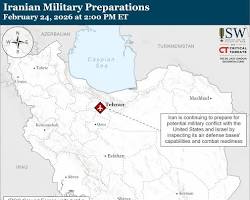
- Ongoing Strikes: On March 24, 2026, reports emerged of fresh Iranian missile broadsides targeting Tel Aviv, causing injuries and property damage. In response, the U.S. and Israel have continued strikes against Iranian ballistic missile infrastructure and IRGC headquarters in Tehran.
- Troop Buildups: Despite talks of a potential deal, the Pentagon is reportedly preparing to send thousands of additional troops from the 82nd Airborne Division to the Middle East to reinforce the current military presence.
Diplomatic and Economic Impacts
- Negotiation Rumors: President Donald Trump recently stated that Iran had given the U.S. a “very big present” related to oil and gas, hinting at a potential breakthrough in negotiations. However, Iranian officials, specifically Parliament Speaker Mohammad Bagher Ghalibaf, have publicly rejected claims of direct talks, insisting on “remorseful punishment” for the U.S. and Israel.
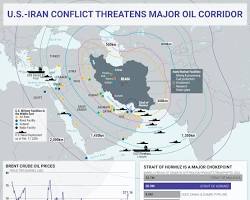
- Strait of Hormuz: The vital waterway remains a primary flashpoint. While President Trump recently postponed an ultimatum to “obliterate” Iranian power plants if the Strait wasn’t reopened, the passage remains heavily disrupted by Iranian mines (such as the Maham 3 and 7), keeping global oil prices volatile near the $100 per barrel mark.
- Sanctions Relief: In an effort to stabilize global markets, the U.S. Treasury issued a 30-day sanctions waiver on March 20, 2026, allowing the sale of Iranian oil currently at sea. This move is intended to unlock roughly 140 million barrels of oil to ease energy supply pressures.
Global and Humanitarian Consequences
- Casualties: Rights groups estimate that the conflict has already claimed over 3,200 lives in Iran, including hundreds of children.
- ISIS Resurgence: Intelligence reports warn that the redirecting of U.S. and SDF resources toward the Iran conflict facilitated a mass prison break at the al-Hol detention camp in Syria, where up to 20,000 individuals associated with ISIS escaped in March 2026.
- Regional Fallout: Allies like India and Pakistan are closely monitoring the situation. Pakistan has offered to mediate, while India is managing the impact on its energy imports and the strategic Chabahar Port, for which the U.S. recently extended a conditional sanctions waiver.
| Name | Role | Recent Status |
| Donald Trump | U.S. President | Leading “Operation Epic Fury”; seeking a “complete and total resolution.” |
| Mojtaba Khamenei | New Supreme Leader | Appointed following the death of his father; currently maintaining a defiant stance. |
| Mohammad Bagher Ghalibaf | Iranian Parliament Speaker | Emerging as a key de facto leader and negotiator despite public denials of talks. |
| Benjamin Netanyahu | Israeli Prime Minister | Coordinating closely with the U.S. on strategic military objectives in Iran. |






Leave a Reply